
As parents, we spend a lot of time thinking about our children’s future. We encourage them to do well at school, participate in activities and develop their talents. But one area that can often get left until the last minute is preparing them for their first job.
What if we started earlier? At 13 years old, my twin daughters are already developing valuable employability skills, gaining practical experience and learning how to present themselves to potential employers, long before they are ready to enter the job market. And this is something I’m particularly passionate about.
Having previously worked in recruitment and been responsible for hiring people for the various companies I’ve worked for over the years, I’ve seen first-hand what employers look for in candidates. I’ve also seen how difficult it can be for young people to write their first CV when they have little or no formal employment history.
So, rather than waiting until they are 16 and looking for their first part-time job, we’re starting to build those skills now.
Experience Doesn’t Have to Mean Having a Job
My daughters are involved in a number of activities that are helping them develop transferable skills. They attend after-school clubs, which give them opportunities to build confidence, work with others, communicate and develop interests outside the classroom.
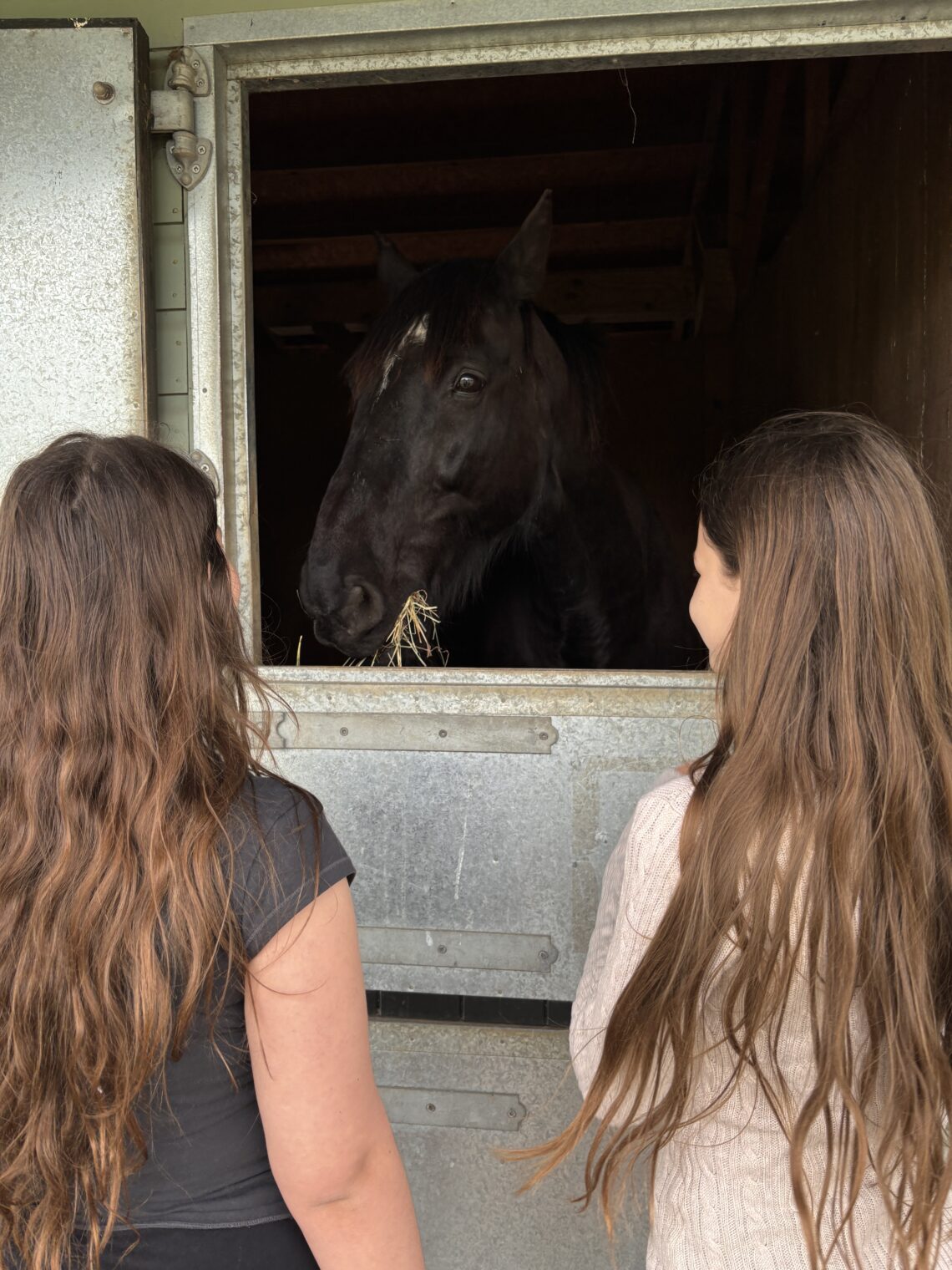
We were due to be helping at the riding school yard, however, due to circumstances at the time the riding school ended up having an issue with the licence, which has since been reinstated but we’ve lost momentum there at the moment.
Instead, they now help me with some of my own projects, including photographing, researching, pricing and listing personal items for sale on eBay and Vinted. This might sound like a relatively simple activity, but there is actually a huge amount of learning involved.
They are developing skills in:
- Photography and product presentation.
- Researching products and comparing prices.
- Writing descriptions and creating listings.
- Understanding value, pricing and negotiation.
- Customer service and communication.
- Organisation and attention to detail.
- Digital platforms and online selling.
- Taking responsibility for completing a task.
They’re also learning that getting something done involves more than just starting it. You need to see it through, pay attention to the details and take pride in the end result. These are all skills that translate into the workplace.
I’m Teaching Them How to Write Their First CV
This is probably one of the most important things we’re working on. Because of my background in recruitment, I know that a CV isn’t simply a list of previous jobs. It’s an opportunity to demonstrate what someone can offer an employer. For a teenager applying for their first job, this can feel particularly challenging. They might not have worked in a shop, restaurant or office, but that doesn’t mean they have nothing to put on their CV.
In fact, they may already have developed many of the qualities employers value through school, clubs, hobbies, volunteering, family responsibilities and personal projects. I’m helping my daughters understand how to identify those experiences and turn them into something meaningful on paper.
We’re talking about how to:
- Identify transferable skills.
- Describe responsibilities and achievements.
- Give examples of initiative and commitment.
- Demonstrate communication and teamwork.
- Present information clearly and professionally.
- Tailor a CV to the type of job they’re applying for.
Most importantly, I’m teaching them not to underestimate what they can offer simply because they haven’t had a paid job yet.
10 Core Values and Skills to Include on a First-Time CV
When writing a first CV, it’s easy to focus on what you haven’t done rather than what you can offer. But employers recruiting young people are often looking for potential, attitude and the ability to learn. Here are 10 qualities worth demonstrating, alongside examples of how teenagers might develop them.
1. Reliability: Showing up on time, attending clubs regularly and following through on commitments.
2. Communication: Being able to speak confidently with others, listen carefully and communicate clearly.
3. Teamwork: Participating in sports, school activities or group projects and understanding how to work with others.
4. Initiative: Recognising what needs doing and taking action without always needing to be asked.
5. Organisation: Managing schoolwork, extracurricular activities and personal responsibilities.
6. Problem-Solving: Thinking independently, overcoming challenges and finding practical solutions.
7. Adaptability: Being open to learning new things and adjusting to different situations.
8. Attention to Detail: Taking care with tasks, whether preparing an online listing, completing schoolwork or following instructions.
9. Positive Attitude and Willingness to Learn: Demonstrating enthusiasm, curiosity and a willingness to accept feedback.
10. Responsibility and Accountability: Taking ownership of tasks, recognising mistakes and understanding the importance of completing commitments.
These aren’t just words to add to a CV. They should be supported with real examples. For instance, rather than simply writing “good communication skills”, a teenager could explain how they communicate with customers when helping to sell items online or how they work with others at an after-school club. That is what makes a first CV more convincing.
10 Activities That Can Help Build Employability Skills From Age 13+
Not every teenager will have access to the same opportunities, and not everyone needs a formal job to start developing workplace skills. Here are 10 ideas parents can explore.
- Dog Walking – Builds responsibility, time management and reliability.
- Pet Sitting – Develops trustworthiness, organisation and communication.
- Helping at a Stable or Farm – Encourages discipline, teamwork and a strong work ethic.
- Babysitting (with appropriate age and supervision) – Builds responsibility, leadership and problem-solving.
- Attending or Assisting at Sports Clubs – Encourages teamwork, commitment and communication.
- Volunteering at Charity Shops – Introduces customer service and workplace environments, where age requirements permit.
- Helping Family Businesses – Provides an introduction to business operations and customer interactions.
- Gardening for Neighbours – Teaches initiative, reliability and self-management.
- Tutoring Younger Children – Develops confidence, patience and communication.
- Community or School Volunteering – Demonstrates commitment and builds social skills.
The key is to look beyond traditional employment and recognise the value of everyday experiences.
At 13, children are subject to restrictions around employment in the UK, including local authority rules and permitted working hours. These examples are about skill-building and supervised activities rather than paid employment.
What Parents Can Do to Build a Strong Work Ethic
Work ethic doesn’t appear overnight. It develops through consistent habits, encouragement and expectations. Here are some practical ways parents can help:
Set Responsibilities at Home: Give children age-appropriate responsibilities that contribute to family life.
Teach Commitment: Encourage them to stick with activities and commitments, even when motivation fades.
Praise Effort, Not Just Results: Celebrate hard work, persistence and improvement.
Encourage Independence: Give them opportunities to take ownership of tasks and decisions.
Teach Time Management: Help them balance school, hobbies, clubs and responsibilities.
Encourage Problem-Solving: Rather than immediately stepping in, allow them to think through challenges and find solutions.
Talk About Money and Business: Introduce concepts such as pricing, budgeting, customer service and understanding the value of money through everyday activities.
Help Them Recognise Their Own Skills: Talk about what they are learning and how those experiences could translate into the workplace.
Don’t Wait Until They Need Their First CV
One of the biggest mistakes we can make as parents is waiting until our children are ready to apply for their first job before thinking about their employability. By then, we’re often trying to pull together a CV from scratch, struggling to identify skills and wondering what they can possibly write under the heading of experience.
Instead, we can start building that picture much earlier. Every club attended, project completed, responsibility taken and new skill developed can contribute to their future CV.
And as someone who has worked in recruitment and hired candidates throughout my career, I genuinely believe that helping young people understand how to communicate their value is just as important as helping them gain experience.
A Free First-Time CV Template for Teenagers
To help other parents get started, I’ve put together a free first-time CV template designed specifically for older teenagers who may not have any formal employment history.
It includes sections for:
- Personal profile.
- Education and qualifications.
- Skills and personal qualities.
- Clubs, hobbies and extracurricular activities.
- Volunteering and informal experience.
- Personal projects and responsibilities.
- Achievements and interests.
The idea is to help older teenagers recognise that they already have valuable skills and give them a professional starting point when applying for their first job.
Give Them a Head Start
The job market is competitive, and academic qualifications alone don’t always tell an employer everything they need to know about a candidate. Confidence, initiative, communication, reliability and a willingness to learn all matter.
For my daughters, that development currently involves after-school clubs, learning about recruitment and CV writing with me, and getting involved in the practical side of selling items online.
For another teenager, it might look completely different. The important thing is that we start helping our children recognise the value of what they do, understand the skills they’re developing and learn how to communicate those skills confidently.
Because when the time comes to apply for that first job, I want my daughters to feel prepared, confident and able to demonstrate what they can bring to an employer. And hopefully, other parents can help their teenagers get that same head start.