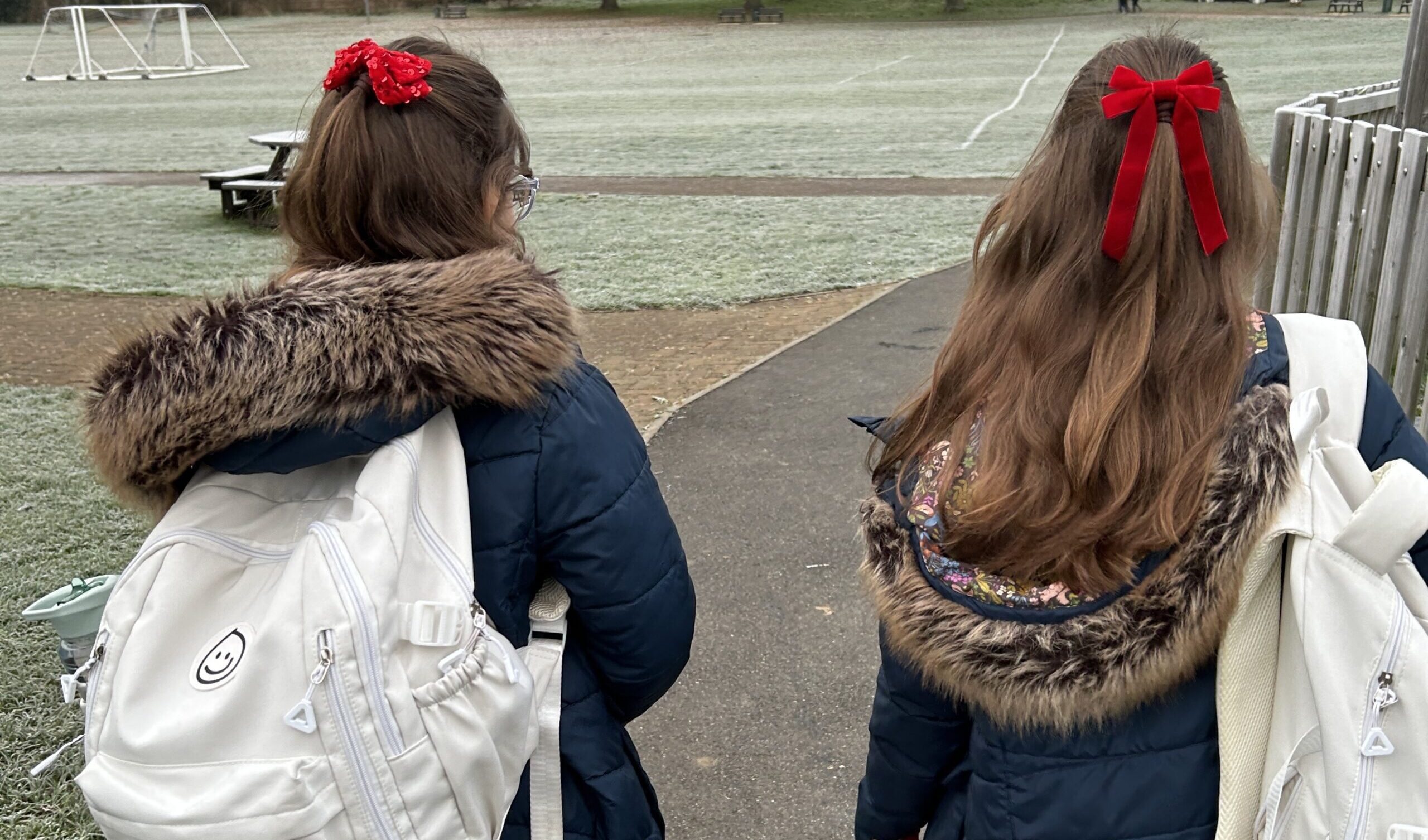

Every stage of parenthood brings its own unique challenges. In the newborn days, it is sleepless nights, endless feeds and learning how to function on very little rest. The toddler years bring a different kind of intensity as little people discover independence, boundaries and a desire to explore absolutely everything around them.
Then comes school age, where parenting often feels like a carefully choreographed logistical operation. Uniforms, packed lunches, PE kits, reading books and getting everyone out of the door on time suddenly become part of daily life. Many people assume things become easier as children move into their teenage years. In some ways, they do.
Teenagers are more independent, more capable and need us less for the practical tasks that once filled our mornings and evenings. But the work does not disappear. It simply changes shape. The physical demands lessen, yet the mental load increases. Much of the parenting work that happens during the secondary school years is invisible. It sits quietly behind the scenes in school apps, emails, calendar reminders, parent evenings, attendance monitoring, emotional support and countless conversations.
Sometimes I joke that I have become a part-time PA for my twins. In reality, this unseen work begins the moment children start school and continues throughout their education. The role evolves, but it never truly goes away.
The Constant Stream of School Communication
One of the biggest shifts once children enter school is the volume of communication that arrives every week.
There are:
- School emails
- Newsletters
- Reminders
- Last-minute announcements
- Permission forms
- Trip information
- Payment requests
- Timetable updates
At primary school, most communication came through ParentMail. At secondary school, we still use ParentMail but also have additional systems such as Class Charts.
ParentMail tends to manage the wider school administration, including lunches, trips, events, permissions and payments.
Class Charts gives parents access to timetables, attendance records, homework, behaviour points and school announcements.
Thankfully, most schools now have apps that make everything easier to access. I keep all of our school-related apps together in one folder on my phone and make a habit of checking them daily.
Within a few minutes, I can top up lunch accounts, review homework, check attendance, monitor behaviour points and stay on top of anything that might need my attention.
It sounds simple enough, but these small daily check-ins are part of the invisible work that helps family life run smoothly.
Parents’ Evening: Learning What Really Matters
Parents’ evenings look very different between primary and secondary school.
In primary school, meetings are usually held a couple of times a year. You meet with one class teacher who can discuss academic progress, behaviour, friendships and areas for development.
Secondary school is a completely different experience.
Instead of one teacher, there may be ten or more.
As a twin parent, there is also the added layer of managing appointments for two children.
When my twins started secondary school, I made the decision to place them in separate form groups. Whilst they shared a class throughout primary school, I felt it was important for them to build their own identities and friendships as they moved into adolescence.
During Year 7, I booked as many appointments as possible for both girls. That meant arriving at school around 4pm and leaving closer to 7pm after navigating back-to-back five-minute meetings across multiple departments.
It was valuable, but intense.
Moving into Year 8, I will become more selective. We’ll focus primarily on core subjects and any areas where they have a particular passion or interest.
A few things I have learned and will take with me for next year are:
- Book core subject teachers first
- Leave small gaps between appointments where possible
- Consider option subjects for future GCSE choices
- Log on as soon as booking opens because appointments disappear quickly
With twins, there are often double the appointments, double the timetables and double the planning, but the insights gained are incredibly valuable.
Class Charts, Homework and Encouraging Independence
One of my goals as a parent is to gradually transfer responsibility whilst remaining available for support.
For the most part, I no longer sit beside my children helping with homework.
Instead, my role is often one of encouragement, accountability and guidance.
We use our evening meal times to talk about the day ahead, upcoming deadlines and any projects that need attention. Sometimes it feels more like a weekly planning meeting than a family dinner.
We regularly discuss:
- Homework workload
- Upcoming projects
- Revision priorities
- Extracurricular commitments
For us, creating routines has been key.
Having a dedicated workspace, prioritising urgent tasks and keeping on top of online learning platforms such as Sparx Maths and Sparx Science helps avoid last-minute panic.
The challenge as a parent is knowing when to step in and when to step back.
Teenagers need opportunities to experience responsibility and natural consequences, but they also need to know we are there when they need support.
School Trips and Extracurricular Opportunities
One of the joys of secondary school has been the wider range of trips, activities and opportunities available.
Whenever a trip is announced, we discuss it openly as a family.
The girls often check whether friends are attending and whether the experience genuinely interests them.
Where possible, I try to say yes to the opportunities that excite them and politely decline those that do not.
As a twin parent, every decision carries double the financial impact, so I try to be intentional about where we invest our resources.
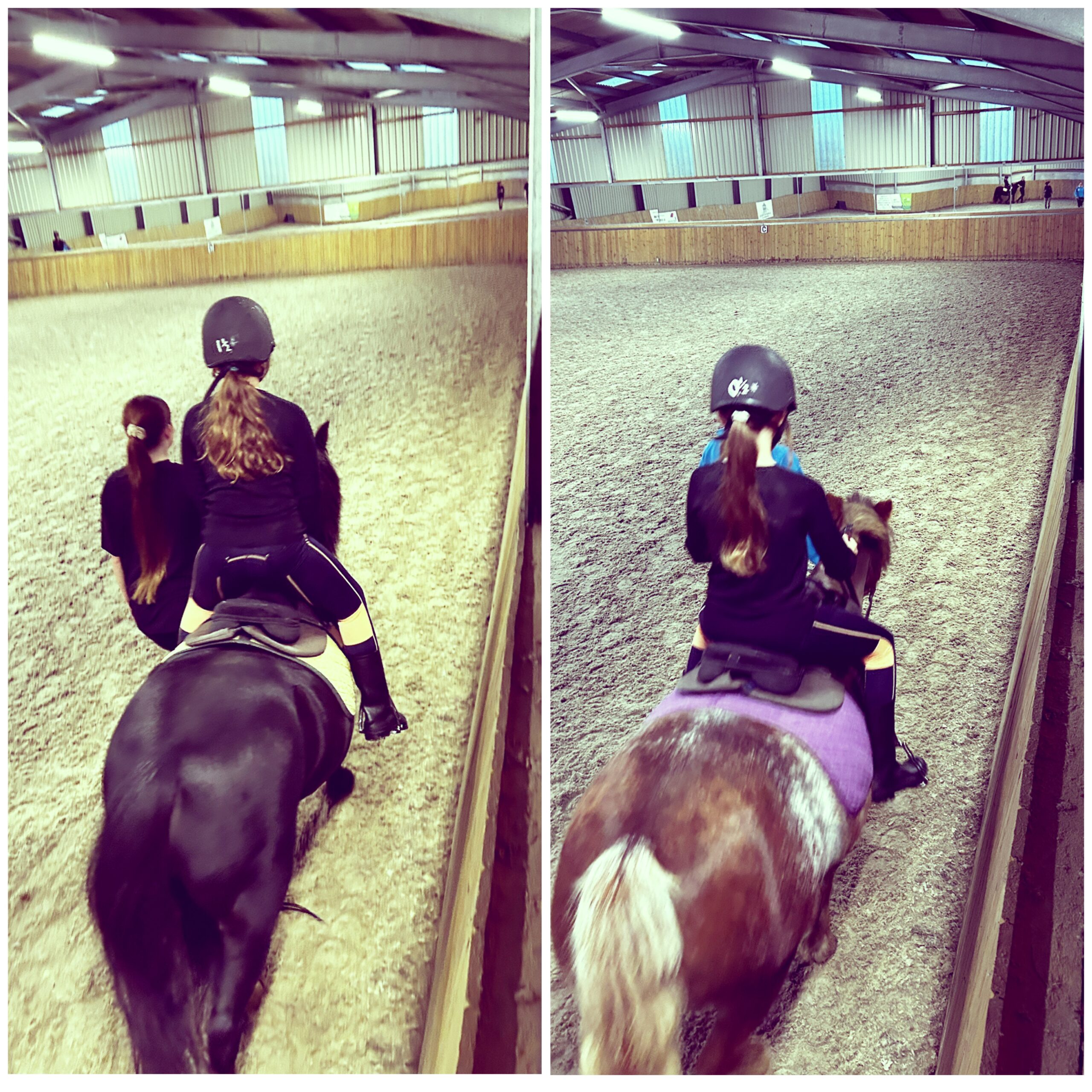
The opportunities need to fit within both our family budget and our wider commitments, including hobbies such as skiing and horse riding.
I would much rather invest in experiences that genuinely enrich their lives than pay for activities they feel obliged to attend but have little interest in.
Managing Health Around School Life
Secondary school attendance is taken very seriously, and for good reason.
Where possible, I try to schedule routine appointments outside school hours.
This includes:
- Dental appointments
- Hygienist visits
- Eye tests
- GP appointments
Hospital appointments are often less flexible and sometimes need to happen during the school day.
The reality is that attendance matters, but so does health.
Finding a balance between supporting wellbeing and maintaining good attendance is another part of the invisible administrative load parents carry.
Navigating Periods and School
For girls, starting and managing periods whilst at school requires preparation, confidence and open communication.
I created a small essentials kit for each of my twins containing:
- Spare period pants or shorts
- Pads
- Wipes
- Sanitary bags
- Heat pads
- Deodorant
- Hand sanitiser
- Hairbands
- Mints
- A small hairbrush
At home, we keep a variety of period products available at all times so they never need to ask permission or feel embarrassed about accessing what they need.
Every young person experiences menstruation differently. Some have light periods, some have heavy periods and many experience irregular cycles during the early years.
One of my daughters experiences particularly heavy periods, so I have worked closely with the school to ensure appropriate support is available when needed, including access to toilets and flexibility around PE during difficult days.
Open communication, preparation and education help remove some of the anxiety that can come with this stage of adolescence.
Attendance: The New Pressure Parents Didn’t Expect
Attendance has become one of the biggest pressures facing modern families.
Secondary schools rightly monitor attendance closely, but attendance statistics rarely tell the whole story.
Some young people thrive with near-perfect attendance.
Others face challenges that require a more individualised approach.
As a parent of twins, I see this firsthand.
One of my daughters has an EHCP and can experience periods of overwhelm, burnout and sensory overload. Whilst her attendance remains good, it is naturally lower than her sister’s.
My other daughter currently maintains her overall attendance at 99%.
Neither approach is right or wrong.
Every child is different.
Parents are often best placed to recognise when a child genuinely needs rest and when encouragement to attend school is the better option.
The goal is not perfect attendance at all costs.
The goal is raising healthy, resilient young people who can learn, grow and thrive.
The Emotional Labour Behind the Administration
Beyond the apps, emails and appointments lies something far less visible.
The emotional labour.
Because parenting teenagers is not just about tracking homework or booking parents’ evening appointments.
It is also about:
- Monitoring friendships
- Supporting wellbeing
- Noticing changes in behaviour
- Encouraging independence
- Helping them navigate challenges
- Knowing when to intervene
- Knowing when to let them learn
And that is before we even begin talking about sleepovers, social plans, after-school clubs, hobbies and friendship dynamics.
To stay organised, I spend a few minutes each morning reviewing the day and week ahead, checking communications and making sure nothing has slipped through the cracks.
It is a small habit that saves a lot of stress later on.
Parenting teenagers may be less physically demanding than parenting toddlers, but it is not necessarily easier. The work has simply changed shape. Instead of carrying children, we carry calendars. Instead of packing changing bags, we manage schedules, communications, appointments and expectations.
The invisible work may not always be recognised from the outside, but it plays an important role in raising confident, capable and resilient young people. And perhaps that is one of the greatest privileges of intentional motherhood.
To quietly do the work behind the scenes, creating the structure, support and stability that allows our children to step forward into independence with confidence and dignity.